
The Paper Trail Downtown: How Fresno County's Courthouse Square Records the City's Business
An examination of the public machinery at Courthouse Park — the courts, the county offices and the records any resident can request — and why the paper trail matters.
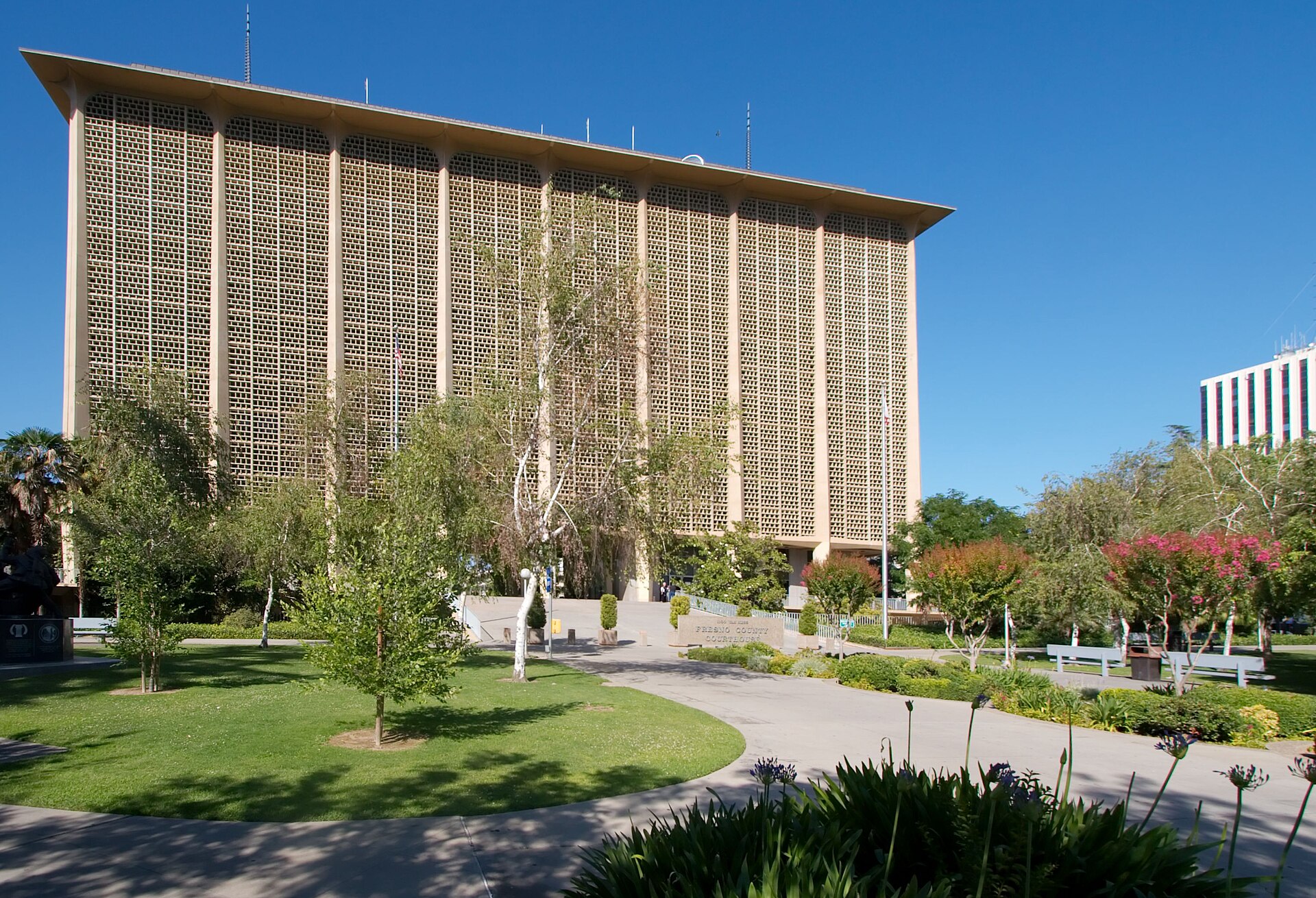
Every weekday, the most consequential documents in Fresno County move through a few downtown blocks around Courthouse Park. Court filings, property records, board agendas, election materials and permits accumulate in the county's offices at a pace no resident could read in full. This investigation desk examination starts with a simple question: how does an ordinary Fresno resident actually follow the paper trail of their own government?
The answer begins with the structure. The Superior Court handles the filings that record disputes, criminal cases and family matters. The Board of Supervisors publishes agendas and actions for the county's business, from road spending to health services. The county clerk and recorder hold the property and vital records that underlie every land transaction in the county, and the elections office maintains the voter rolls and results that certify each election, including the one concluding this week.
Access is a right with a process. California's public records law allows residents to request government documents, and court records are broadly open unless a specific rule seals them. In practice, residents who ask precisely, naming the document, the date range and the office that holds it, get results far faster than those who ask generally. Clerks' counters and county websites are the two front doors, and patience plus specificity opens both.
Why does the paper trail deserve a standing place in this newsroom's work? Because nearly every major local story, a development fight, a budget shortfall, a contested election, is at bottom a records story. The documents filed downtown show what was decided, when, and by whom, in a form that outlasts press conferences. Fresno's history is filed in those cabinets and servers: land deals from the colony-farm era forward, water disputes, and the growth of a farm town into a city of more than half a million.
Residents do not need a press pass to use any of this. A deed, a court calendar, a board agenda and a certified election result are all within reach of anyone willing to ask clearly and wait a few days. The machinery is unglamorous, and it is the foundation everything else in local news stands on.